
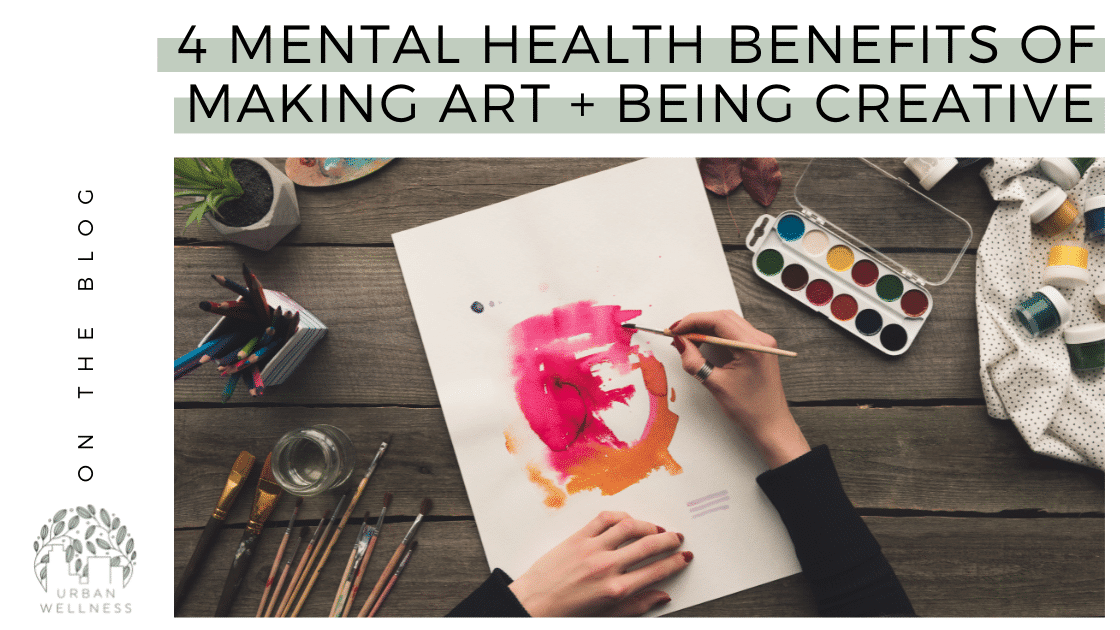
Therapy takes many forms, and art therapy is a unique approach that uses creative expression to support mental health. By engaging in activities such as drawing, individuals can process emotions and gain new insights into their thoughts and behaviors. This therapeutic method is valuable for those who find it difficult to express themselves verbally. Art counseling promotes healing and builds resilience, offering a complement to traditional forms of therapy.
Encouraging Self-expression
Art therapy provides a unique outlet for expressing complex emotions that may be difficult to verbalize. Many people struggle to put their feelings into words, especially when dealing with trauma, grief, or intense stress. Creating art allows these emotions to surface naturally through color, form, and movement. The creative process itself becomes a form of communication.
A person may use dark colors to represent sadness or create jagged lines to show anger. These artistic choices reveal inner experiences that traditional talk therapy may not access immediately. The therapist can then explore these expressions with the client, leading to deeper understanding and healing. This form of expression is also helpful for children and adolescents who may lack the vocabulary to describe their emotional states. Young people often find it easier to draw their feelings than to discuss them directly.
Reducing Stress and Anxiety
The act of creating art produces a meditative effect that naturally reduces stress hormones in the body. When people focus on artistic tasks, their minds shift away from worry and rumination toward the present moment. This aspect of art therapy helps interrupt anxious thought patterns and promotes relaxation. The sense of accomplishment from completing an artistic project also boosts confidence and mood.
Art therapy sessions often incorporate breathing exercises and relaxation techniques alongside creative work. This combination provides multiple tools for managing symptoms of anxiety. Clients learn practical skills they can use outside therapy sessions whenever they feel overwhelmed or stressed.
Supporting Trauma Recovery and Healing
Trauma survivors often experience difficulty discussing their experiences directly due to the intense emotions involved. Art therapy offers a gentle alternative that allows processing without requiring detailed verbal accounts. The creative process helps externalize traumatic memories in a controlled, safe environment.
Working with art materials provides sensory grounding techniques that help trauma survivors stay present during therapy sessions. The tactile experience of clay, paint, or drawing materials can anchor someone who may otherwise become overwhelmed by memories. This physical engagement supports emotional regulation.
Art therapy also helps rebuild a sense of control and empowerment for trauma survivors. Creating something beautiful from pain transforms the narrative from victim to survivor. The finished artwork serves as tangible evidence of strength and resilience.
Improving Self-esteem and Personal Growth
Creating art builds confidence through skill development and personal achievement. Each completed project represents progress and accomplishment, regardless of artistic ability. Art therapists focus on the process rather than the final product, helping clients appreciate their efforts and growth.
The non-judgmental nature of art therapy creates a safe space for exploration and risk-taking. Clients can experiment with new techniques, colors, and themes without the fear of being judged. Art therapy also helps people identify strengths and resources they may not recognize otherwise.
Schedule Your Therapy Appointment Today
Art therapy offers multiple pathways to improved mental health through creative expression, trauma processing, and personal growth. This approach complements traditional counseling methods and provides unique benefits for people of all ages. The combination of artistic creation and therapeutic guidance creates powerful opportunities for healing and self-discovery. To explore how art therapy benefits your mental health, reach out to qualified professionals near you to schedule your therapy appointment.
