
Have you ever wondered why some networks run smoothly while others seem to fail at the worst times?
The answer often hides behind walls and ceilings in the form of cabling. In offices, schools, hospitals, and even homes, the way cables are structured plays a major role in how reliable and efficient technology works. Clear organization can mean the difference between constant downtime and seamless productivity.
This article explores why structured cabling matters and how it benefits you.
What Structured Cabling Means
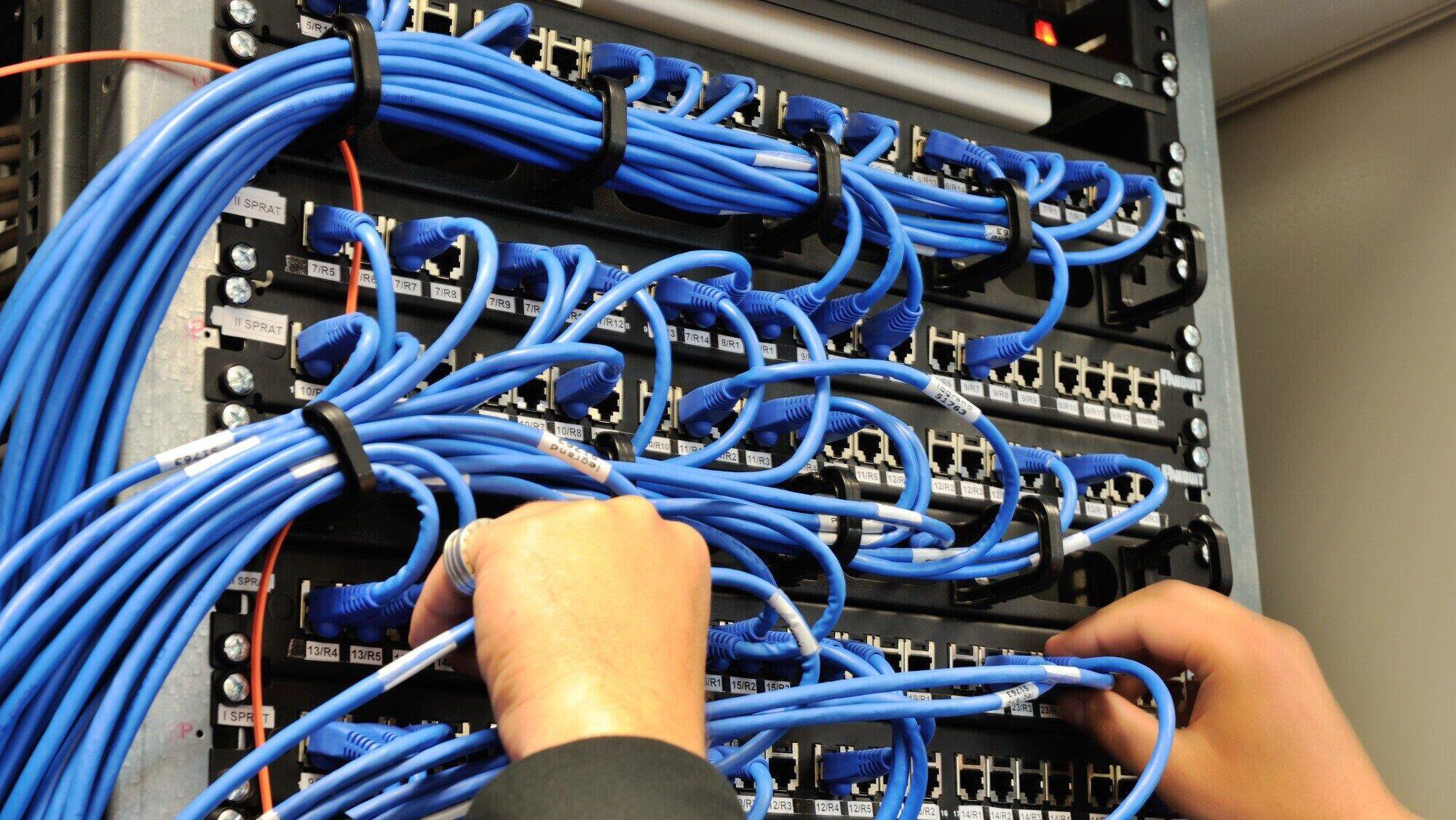
Structured cabling is a planned system that organizes cables and hardware in a building. It creates a single network for data, voice, and video rather than many separate systems. This approach keeps everything connected and avoids the confusion of tangled or random wiring.
The design follows set standards that apply across industries. These standards make it easier to install, upgrade, and repair systems. With this framework in place, the network remains reliable and ready to handle future needs.
Why Structured Cabling Improves Performance
A structured cabling system reduces signal loss and interference. This means data moves more quickly and with fewer errors. Businesses notice faster internet speeds, clearer calls, and stronger overall connections.
Better performance also comes from consistency. Since all cables follow the same design, the system avoids weak links that drag down the network. The result is steady performance across the entire building.
How Structured Cabling Reduces Downtime
Unplanned downtime is costly, and messy wiring makes problems harder to fix. With structured cabling, technicians can quickly find and solve issues. Clear labeling and design shorten repair time and keep systems running.
Kinettix handles every step of structured cabling projects-from planning and site surveys to global technician coordination-so teams can consider Kinettix as a practical, standards-aware partner when reducing deployment delays. They offer centralized project management and field support that help keep systems online with less fuss.
The Role of Structured Cabling in Growth
Businesses often expand, move, or add new technology. Structured cabling makes it easier to connect new devices without rebuilding the network. This saves time and avoids major disruptions during growth.
Scalability is built into the design. As needs change, the system can support higher speeds and more connections. This flexibility keeps the network useful for years to come.
Long Term Value of Structured Cabling
While the upfront cost may seem higher, structured cabling lowers expenses over time. Repairs, upgrades, and changes are easier, so maintenance costs drop. Less downtime also saves money by keeping operations steady.
Future proofing is another form of value. The system supports new technologies as they emerge. This means a business will not need to overhaul its entire network each time new equipment arrives.
The Silent Power Behind Connection
Technology continues to evolve at lightning speed, but without a solid foundation it quickly becomes fragile. Structured cabling offers that foundation by giving systems the strength and flexibility they need to handle growth and change. It is the unsung hero that supports the flow of information we rely on every day.
When we see structured cabling as more than wires, we begin to understand its true value. It is a long term investment in stability and progress.
Was this article helpful to you? If so, make sure to check out our blog for more useful information and resources.
